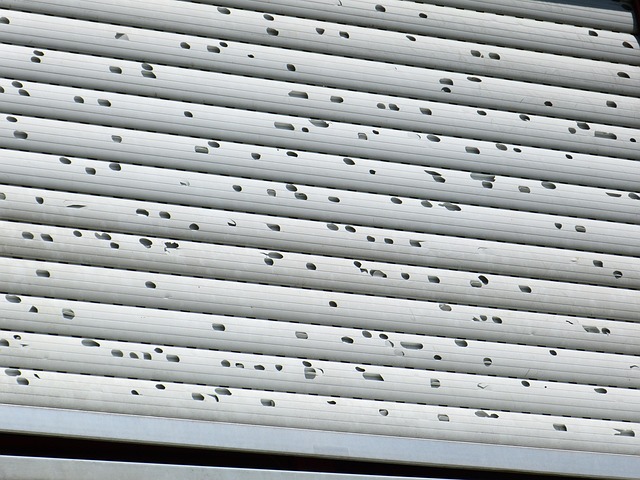
Fire damage restoration involves a complex process from assessment to restoration. Key steps include identifying visible and hidden property damage, including mold growth and structural instability, in Raleigh and Austin. Local experts address regional challenges like wind-blown debris and moisture issues. Thorough initial assessments guide restoration plans, mitigating further damage and ensuring a safe living space. Specialized techniques remove soot, smoke odor, and hazardous materials, restoring properties to pre-fire conditions while protecting investments and tenant rights.
In the wake of disasters or accidents, fire damage restoration stands as a beacon of hope for property owners facing extensive property damage naturally. Austin, with its bustling environment, is no stranger to fires that can leave structures and belongings severely impacted. Navigating this challenging process requires expertise and empathy. This article delves into the intricate art of fire damage restoration in Austin, offering practical insights tailored to meet the unique needs of residents and businesses alike. We explore every step from assessment to reconstruction, ensuring properties not only heal but transform into vibrant, restored spaces.
- Understanding Fire Damage Restoration Process
- Assessing Property Damage Naturally
- Safety Measures Before Entering Damaged Areas
- Removing Soot and Smoke Odor Effectively
- Restoring Structural Integrity and Content
- Preventing Future Fire Damage and Recovery
Understanding Fire Damage Restoration Process

Fire damage restoration is a meticulous process that requires a deep understanding of property damage naturally, especially when confronting the aftermath of a fire in your home or commercial space. In Raleigh, where homes may suffer from tree damage and wind-blown debris siding issues, navigating this process can seem daunting. Local siding repair and installation experts play a crucial role in these scenarios, ensuring not just structural repair but also mitigating further damage.
The journey to restoration begins with an assessment by professionals who specialize in fire damage cleanup. They scrutinize every corner of the property, from the visible charred surfaces to hidden areas like attics and walls, where smoke and heat can leave behind significant property damage naturally. In cases of severe moldy homes, a specialized team equipped with advanced equipment is deployed to safely remove contaminated materials. For instance, a study by the National Fire Protection Association (NFPA) revealed that about 25% of homes affected by fire require remediation for mold growth.
Once the assessment is complete, a comprehensive plan is devised. This may include structural repairs, siding replacement due to wind-blown debris damage, and intricate restoration work to restore the property to its pre-fire condition. The process demands meticulous attention to detail, especially in areas like the Capital Region where Property Restoration of the Capital Region experts excel in transforming devastated spaces into livable environments once again. Restorers must carefully address water damage from firefighting efforts, prevent further deterioration, and ensure a healthy, safe living space for future occupants.
Assessing Property Damage Naturally
Assessing property damage naturally is a critical step in the fire damage restoration process, particularly when dealing with complex scenarios like flood waters in Raleigh, NC. Following a fire or water intrusion, such as a local 24/7 emergency plumber's pipe burst, homeowners may face significant challenges understanding and managing the extent of property damage. This is especially true for areas prone to moisture-related issues, including Raleigh, where mold growth can become a pressing concern within a home, occurring up to 1-3 times per year in certain environments.
The initial assessment should focus on a holistic view of the property's condition. Experts recommend a systematic approach that includes visual inspections and detailed documentation. By examining every corner and crevice, restoration specialists can identify not only visible damage but also potential hidden problems like water intrusion behind walls or under flooring. This thorough evaluation is crucial for developing an effective restoration plan, ensuring that every aspect of the property is addressed appropriately.
For example, in cases where a burst pipe has caused extensive water damage, a professional assessment will prioritize identifying the source and extent of the leak to prevent further deterioration. Property Restoration of the Capital Region, for instance, emphasizes the importance of documenting water levels and affected areas to guide their restoration strategies. This includes not only repairing pipes but also drying out walls, floors, and furniture to mitigate mold growth, a common consequence of prolonged moisture exposure. By understanding property damage naturally and proactively addressing these issues, homeowners can protect their investment and create a healthier living environment.
Safety Measures Before Entering Damaged Areas
When facing fire damage to your property, safety must always be the top priority before entering any affected areas. The initial assessment phase is critical, as it determines the extent of the harm and guides the restoration process. Property Restoration of the Capital Region, a leading authority in the field, emphasizes that the presence of smoke, heat, and structural instability introduces numerous risks, including hazardous materials, toxic gases, and unsafe structures. Before attempting any work, especially for North Carolina condo residents dealing with tree damage or storm-related roof issues, it's crucial to involve local siding repair and installation experts who can assess both external and internal property damage naturally.
One common concern is the potential release of asbestos during renovation, particularly in older buildings. Asbestos was commonly used in construction materials like insulation, flooring, and roofing, and its presence poses significant health risks if disturbed without proper containment and expertise. Similarly, lead-based paint, often found in homes built before 1978, can also be a hazard, especially when chipped or burned during restoration efforts. These dangers underscore the importance of professional intervention, especially after severe storms that leave many roofs damaged, necessitating specialized repairs up to 3 times more frequently than average maintenance.
In addition to physical hazards, emotional trauma from property damage is another significant factor to consider. Residents affected by these events often face a challenging road to recovery, making it vital to engage services like Property Restoration of the Capital Region that not only address structural issues but also provide legal assistance tailored to condo owners' needs. This comprehensive approach ensures that restoration efforts are safe, effective, and legally compliant, promoting swift recovery from what can be devastating situations.
Removing Soot and Smoke Odor Effectively
Fire damage restoration requires a meticulous approach to ensure property damage is restored naturally and effectively. One of the most challenging aspects is removing soot and smoke odor, which can linger long after the flames are extinguished. Soot, composed of burnt particles, adheres to surfaces, infiltrating porous materials like wood, drywall, and fabrics. Smoke odor, complex and tenacious, can permeate into every corner of a structure, affecting not just visible areas but hidden spaces as well.
In Raleigh, where wind-blown debris siding damage is common, the aftermath of a fire can be particularly severe. The initial response to such situations should focus on containing and mitigating further damage. Legal help for construction site mishaps may be necessary if property owners believe their losses are due to negligence or inadequate cleanup efforts by contractors. Local generators and backup power solutions are crucial during blackouts—whether one-time events or recurring issues—ensuring essential services and preventing additional property damage caused by power outages.
Property Restoration of the Capital Region, a trusted name in the industry, emphasizes natural restoration methods. Their team of experts recommends implementing specialized equipment to remove soot effectively. Advanced air purification systems, for instance, can eliminate smoke odor by targeting organic compounds responsible for its persistence. These processes are tailored to different materials, whether it's cleaning hardwood floors or restoring textiles. By employing these techniques, property owners can restore their spaces to a pre-damage state, ensuring not just visual repairs but also addressing the underlying causes of unpleasant odors associated with fire damage.
Restoring Structural Integrity and Content
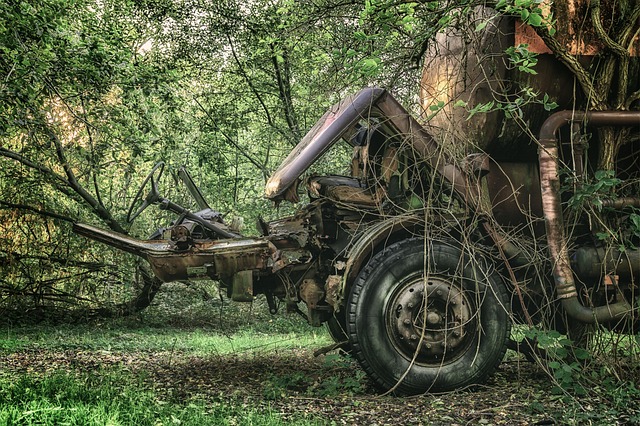
Fire damage can devastate a property, affecting not just its structural integrity but also the belongings within. Restoring a fire-damaged home requires meticulous care and expertise to ensure the property is safe and livable again. This process involves assessing both structural damage and the recovery of personal items, which can be emotionally challenging for homeowners. In Austin, where property damage naturally occurs due to various factors including windstorms, tenants facing eviction often need legal representation to protect their rights.
Restoring structural integrity begins with a thorough inspection. Professionals assess the extent of damage to walls, roofs, and foundations. In some cases, entire sections may need to be rebuilt. For instance, a windstorm could leave significant property repairs, requiring specialized knowledge for 1-3 rounds of repairs depending on the severity. Once structural soundness is confirmed, the focus shifts to content restoration. This involves documenting damaged items and assessing their recoverability. The process can range from cleaning and restoring clothing and furniture to more complex tasks like salvaging valuable documents or electronics through professional data recovery services.
The role of a reputable property restoration company like Property Restoration of the Capital Region is pivotal here. They employ advanced techniques, such as specialized drying methods and odor removal processes, to mitigate further damage. These professionals also ensure that personal belongings are handled with care, respecting the sentimental value attached to them. In cases where tenants face eviction due to property damage, understanding their rights is crucial. Legal representation can help navigate lease agreements and insurance claims, ensuring fair compensation for both tenant and landlord.
A successful restoration aims to return the property to its pre-damaged state. However, it's important to remember that some items may not be fully recoverable. In such cases, professionals offer advice on replacements and repairs, helping homeowners make informed decisions. By combining structural integrity restoration with careful content recovery, Austin residents can rebuild their homes and lives after a fire, supported by expert care tailored to their unique needs.
Preventing Future Fire Damage and Recovery
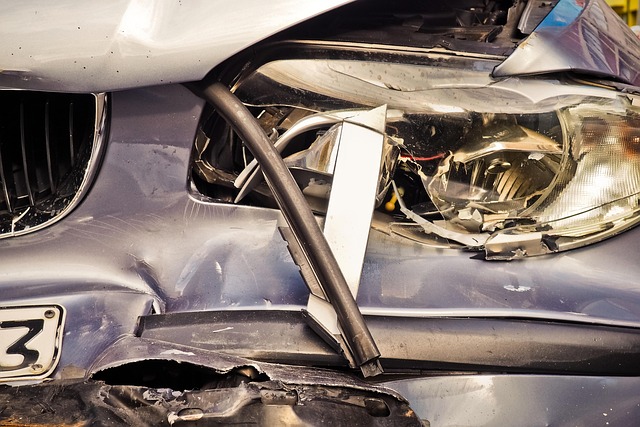
Fire damage restoration goes beyond cleaning up charred remains; it's about preventing future property damage naturally and helping families return to their homes safely. After a fire, homeowners often face significant challenges, from navigating post-storm tree cleanup and removal following a subsequent natural disaster to dealing with unfair eviction practices, as seen in North Carolina. In such situations, it's crucial to have a comprehensive recovery plan that considers both immediate needs and long-term resilience.
Property Restoration of the Capital Region emphasizes a holistic approach to fire damage restoration. We understand that each property is unique, requiring tailored solutions. Our experts assess not just visible damage but also potential hidden hazards like black mold or structural instability resulting from fire and smoke. By addressing these issues proactively, we prevent further property damage naturally and promote healthier living environments. For instance, our team meticulously replaces siding damaged during storms, enhancing the property's defense against future weather events.
A key aspect of our service is helping clients avoid pitfalls like unfair eviction practices. We work diligently to ensure that homeowners are well-informed about their rights and options throughout the restoration process. Our commitment to excellence means providing unparalleled support from initial damage assessment to final cleanup, ensuring peace of mind during an otherwise challenging time. By integrating post-storm tree cleanup and removal into our services, we minimize risks associated with fallen debris and create a safer, more secure space for residents.
Through a comprehensive exploration of fire damage restoration with a focus on empathy in Austin, this article has illuminated critical insights for navigating property damage naturally. Understanding the multifaceted process—from assessing structural integrity to preventing future incidents—is paramount for effective recovery. Key takeaways include prioritizing safety measures before entering damaged areas, employing specialized techniques to remove soot and smoke odors, and meticulously restoring both structural elements and personal belongings. By following these guidelines, homeowners can not only mitigate immediate property damage but also foster a lasting, secure living environment. The article's authority lies in its practical advice, underscoring the importance of a systematic approach that respects both the property and the individuals affected by fire. This synthesis equips readers with valuable tools to navigate challenging situations with empathy and expertise.