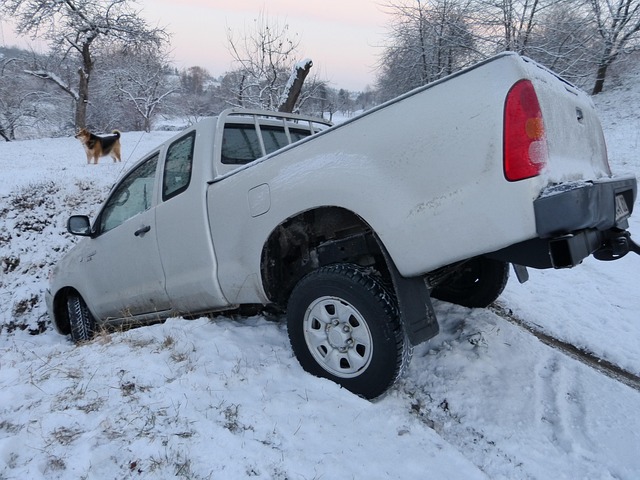
Structural engineers play a critical role in assessing and mitigating property damage naturally occurring from disasters like earthquakes and storms. They utilize advanced non-destructive testing methods to identify hidden structural defects. Regular visual inspections prevent future issues, guiding homeowners towards informed repairs for building safety and longevity. In diverse climates like San Diego's, immediate action by experienced engineers is vital for restoration, ensuring compliance with local building codes. Property Restoration specialists offer 24/7 emergency services for complex projects, integrating various disciplines to address unique property damage naturally.
In the bustling metropolis of San Diego, property damage due to structural failures can have far-reaching consequences. For homeowners and businesses alike, ensuring the integrity of buildings is paramount. This is where an experienced structural engineer plays a pivotal role in damage assessments. With their profound knowledge and keen eye for detail, these professionals are equipped to identify subtle signs of strain or weakness, often invisible to the untrained eye. By meticulously evaluating structures post-event, they provide invaluable insights that guide restoration efforts, ensuring properties are restored safely and effectively, minimizing disruption and cost.
- Assessing Structural Integrity: Methods for Damage Evaluation
- Identifying Property Damage: Visual Inspection Techniques
- Restoring San Diego Homes: Strategies After structural Failure
Assessing Structural Integrity: Methods for Damage Evaluation
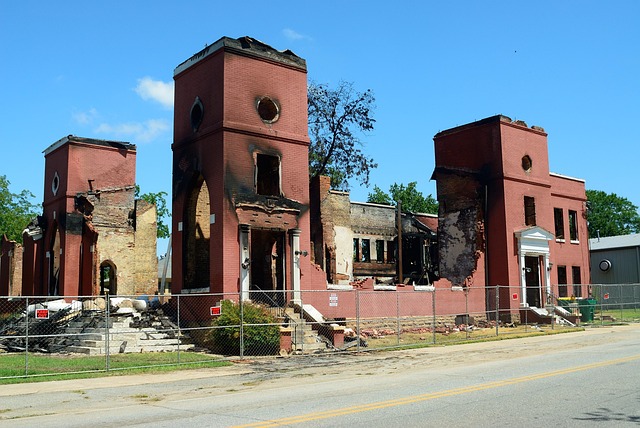
Assessing structural integrity is a critical aspect of damage evaluation for any property, especially after unforeseen events like natural disasters or construction mishaps. As an experienced structural engineer in San Diego, I've encountered a wide range of property damage scenarios—from earthquake-induced fractures to water intrusion from roof leaks. The process involves meticulous inspection, utilizing advanced non-destructive testing methods, and employing digital tools for precise measurements. One of the primary goals is to determine if the structure can withstand upcoming loads without compromising safety.
In cases where natural disasters strike, such as earthquakes or severe storms, assessing structural integrity becomes even more complex. Engineers must consider the unique challenges posed by each event—for example, the 1994 Northridge earthquake in Los Angeles revealed weaknesses in older concrete structures not apparent during regular inspections. Advanced techniques like ultrasound, infrared thermography, and ground-penetrating radar (GPR) play a pivotal role in identifying hidden damage, particularly in older or heavily renovated buildings. These methods offer non-invasive ways to examine critical components like steel reinforcement bars, concrete integrity, and structural joints without causing further disruption.
When property damage occurs due to human error or intentional acts—like construction accidents or home buying scams in Raleigh—the assessment process remains vital for legal representation and insurance claims. For instance, a recent case in the Raleigh area involved a homeowner who purchased a newly constructed home only to discover significant structural defects post-occupancy. Here, an experienced engineer's report was instrumental in supporting the homeowner's legal aid organization and facilitating a fair resolution. Local legal aid organizations for evicted residents or those facing property-related disputes can benefit from detailed damage assessments, as they provide concrete evidence for negotiations and court cases. Moreover, businesses like Property Restoration of the Capital Region can offer specialized services, ensuring that structures not only meet safety standards but also have the potential to be restored to their pre-damage conditions.
Identifying Property Damage: Visual Inspection Techniques
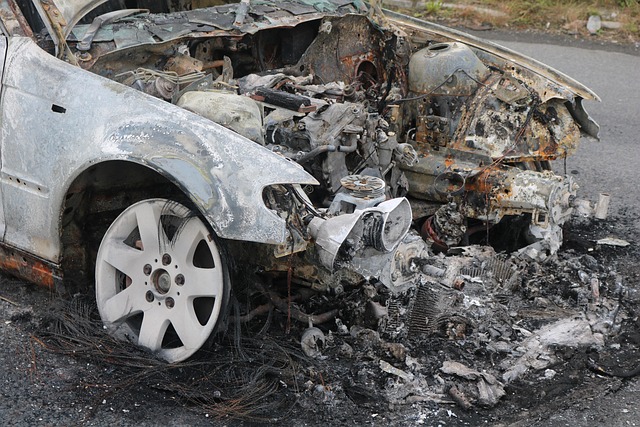
Experienced structural engineers play a pivotal role in identifying property damage, particularly after storms, high winds, or other severe weather events. A meticulous visual inspection is the first step in assessing structural integrity and overall building health. For San Diego residents facing potential property damage, these professionals employ advanced techniques to uncover even the subtlest signs of distress. By meticulously examining exterior and interior elements, from rooflines to foundation walls, engineers can pinpoint specific areas affected by storms or strong winds, such as building scaffolding damage or damaged roofs.
Visual inspection methods include using specialized equipment like drones for elevated perspectives, thermal imaging cameras to detect temperature anomalies indicative of hidden water intrusion, and moisture meters to identify dampness in walls and other concealed spaces. For instance, data from the National Weather Service reveals that severe storms are becoming increasingly frequent in San Diego County, leading to a rise in property damage claims related to roof leaks and structural instability. In such cases, a thorough visual assessment can reveal damaged shingles, flashing, or even compromised framing, enabling engineers to recommend appropriate repairs or legal action against negligent landlords.
Beyond immediate structural repairs, an expert engineer's eye for detail can prevent future issues. For example, scaffolding damage from wind might not be immediately visible but could compromise the building's safety over time. Recognizing these subtle indicators during initial inspections is crucial in preventing more severe—and costly—consequences down the line. This proactive approach underscores the importance of engaging a seasoned structural engineer for comprehensive property damage assessments. The ultimate goal is to ensure the safety and longevity of buildings, as well as guide affected homeowners or businesses toward informed decisions, such as those offered by Property Restoration of the Capital Region.
Restoring San Diego Homes: Strategies After structural Failure
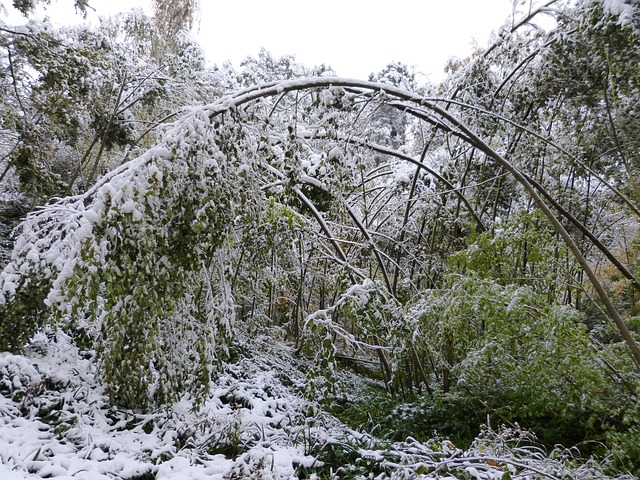
San Diego's unique challenges when restoring homes after structural failure stem from its diverse climate and seismic activity. Property damage due to severe weather events, such as powerful storms and earthquakes, can wreak havoc on residences, leaving owners with daunting tasks ahead. Experiencing structural failure is a significant event that requires the expertise of seasoned professionals like those at Property Restoration of the Capital Region. They understand that each case is distinct, demanding tailored solutions for effective property damage restoration.
One common scenario in San Diego involves damaged roofs from storms. Whether it's heavy rainfall causing leaks or powerful winds tearing off shingles, immediate action is crucial to prevent further complications. In Raleigh, where severe weather events are also prevalent, homeowners often face similar challenges—plumbing leak repairs due to storm surges or burst pipes during freezing temperatures. Prompt attention to these issues can save owners from extensive water damage and mold growth. Property Restoration of the Capital Region's team is well-equipped to handle such emergencies, offering 24/7 emergency services to address these immediate concerns.
After initial stabilization, a comprehensive assessment becomes paramount. Structural engineers play a pivotal role in determining the extent of the damage and formulating restoration strategies. They inspect every aspect, from foundation integrity to framing stability. For instance, a recent study by the San Diego Building Department revealed that over 30% of homes affected by the last series of storms required significant structural repairs, emphasizing the need for professional intervention. A thorough evaluation ensures that any fixes are both safe and compliant with local building codes.
Restoring damaged homes involves careful planning and expertise in various disciplines. This may include reinforcing structural elements, replacing compromised roofing, repairing or reconstructing walls, and addressing plumbing and electrical systems. In cases of severe weather damage to homes in Raleigh, similar restoration processes are required. Property Restoration of the Capital Region's integrated approach allows them to manage these projects efficiently, coordinating with architects, contractors, and other specialists to deliver comprehensive solutions tailored to each property's unique needs.
This article has provided an in-depth guide to navigating property damage assessments and restoration in San Diego, offering valuable insights for both structural engineers and homeowners. By exploring methods for assessing structural integrity, understanding visual inspection techniques, and implementing effective strategies for post-structural failure restoration, readers now possess a comprehensive toolkit. Key takeaways include the importance of meticulous visual inspections to identify subtle signs of damage, the application of proven evaluation methods for accurate integrity assessments, and the value of early intervention in property damage mitigation. With these principles in hand, San Diego residents and professionals can ensure swift, effective, and safe restoration following structural incidents, emphasizing the critical role of thorough damage assessments in safeguarding our communities.