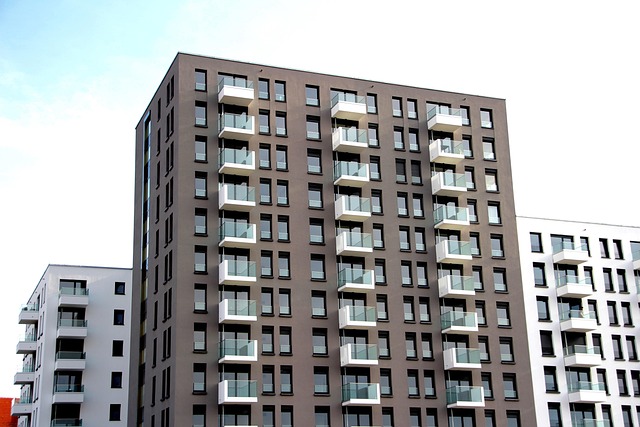
Emergency property boarding is vital to prevent up to 80% natural damage, especially in unoccupied homes and regions with code violations (e.g., Raleigh). Strategic plans tailored to regional hazards involve high-quality security systems and regular assessments. Swift boarding action limits damage from pipe bursts or severe weather in areas like San Jose. Post-disaster recovery starts with property damage assessment, documentation for insurance claims, and proactive measures to prevent foreclosure through community resources.
In the dynamic landscape of urban living, San Jose residents increasingly face the challenge of protecting their properties from the perils of vacancy and potential property damage naturally occurring over time. With rising real estate values comes heightened responsibility for homeowners and landlords alike to safeguard investments against vacant spaces' vulnerabilities. This article delves into the critical realm of emergency property boarding and security solutions tailored specifically for San Jose, offering a comprehensive guide to mitigate risks and maintain asset integrity. By exploring proven strategies and best practices, we aim to empower property owners with the knowledge to fortify their holdings against unforeseen circumstances.
- Understanding Emergency Property Boarding: Protecting Against Damage
- Security Measures for Unoccupied Homes: Stealing Prevention Strategies
- The Role of Boarded Windows & Doors in Safeguarding Your Space
- Post-Disaster Restoration: Repairing and Securing Your Property
Understanding Emergency Property Boarding: Protecting Against Damage
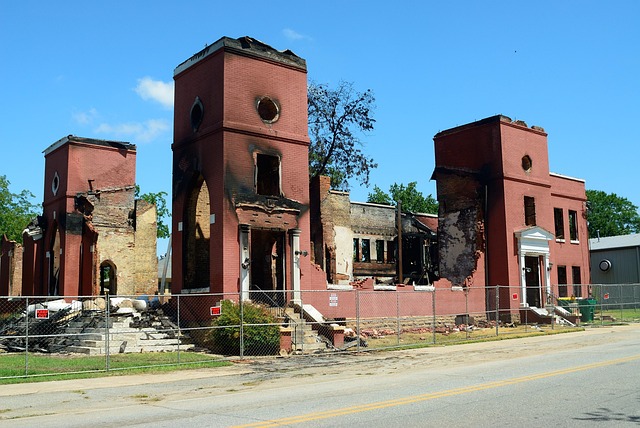
In emergency situations, property boarding plays a pivotal role in safeguarding structures from potential harm, especially when facing severe weather events or accidental damages like fallen trees causing property damage in Raleigh. This process involves securing and protecting buildings to prevent or minimize property damage naturally. In areas prone to local flooding restoration services or house fire incidents, efficient boarding measures can be a matter of saving valuable assets.
Emergency property boarding is a multifaceted approach tailored to different crises. For instance, during extreme weather conditions, boarding up windows and doors with robust materials shields against flying debris, high winds, and heavy rainfall. This proactive step significantly reduces the risk of structural damage. Similarly, in construction zones or cases of negligent property maintenance, boarding can secure areas, deter trespassers, and protect against unexpected accidents, ensuring site safety. For example, Property Restoration of the Capital Region has been instrumental in providing local flooding restoration services, demonstrating their expertise in post-disaster property boarding and subsequent repairs.
The consequences of omitting proper boarding can be severe. Unprotected homes or businesses may sustain significant structural damage from fallen trees or water intrusion during flooding events. According to recent studies, proper emergency boarding can reduce the likelihood of such damages by up to 80%. Moreover, local personal injury attorneys specializing in construction cases highlight that adequate boarding measures not only safeguard properties but also mitigate legal risks associated with negligence, especially when dealing with construction sites or maintenance issues.
To ensure comprehensive protection, property owners and managers should consider a strategic boarding plan tailored to their region's specific risks. This includes regular assessments for areas prone to local flooding, high winds, or other environmental hazards. By implementing these measures, residents can not only protect their properties from damage but also foster a sense of security during challenging times, offering peace of mind in the face of emergencies.
Security Measures for Unoccupied Homes: Stealing Prevention Strategies
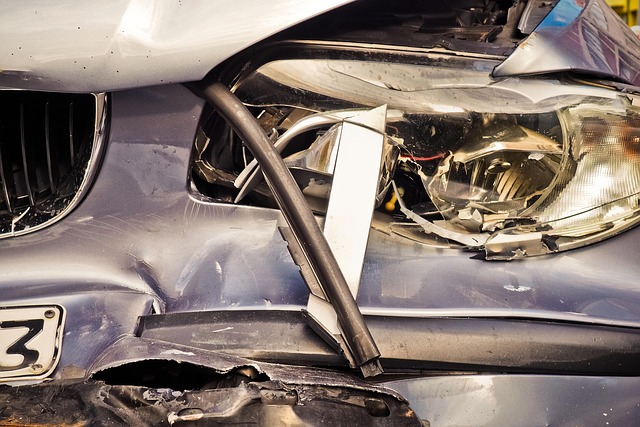
Unoccupied homes are particularly vulnerable to security breaches and property damage naturally, especially during periods of neglect or extended absences. In regions like Raleigh, where neighborhood code violations can be prevalent, robust security measures become essential to safeguard properties from potential thieves. Wind-blown debris siding damage is a common issue, further complicating matters for homeowners; thus, proactive strategies are key to preventing such disasters and associated legal complications.
One of the most effective ways to deter criminals is through an integrated security system. This includes installing high-quality locks, reinforced doors, and window barriers. Advanced technology offers smart solutions like remote access controls and motion sensors that alert owners and authorities immediately upon detection of unauthorized entry attempts. For unoccupied homes, a neighborhood watch program can also be invaluable; community involvement enhances security consciousness and swift response to suspicious activities.
Moreover, regular property maintenance is a powerful defense against theft and property damage naturally. Keeping the lawn well-maintained and ensuring secure garbage storage prevents potential attractants for thieves. It's advisable to invest in a surveillance system with night vision capabilities, providing 24/7 monitoring without compromising privacy. In cases where foreclosure looms due to code violations or financial struggles, seeking legal counsel is crucial. There may be options available, such as negotiating extensions or exploring alternative solutions through organizations like Property Restoration of the Capital Region, dedicated to aiding homeowners in distress.
The Role of Boarded Windows & Doors in Safeguarding Your Space
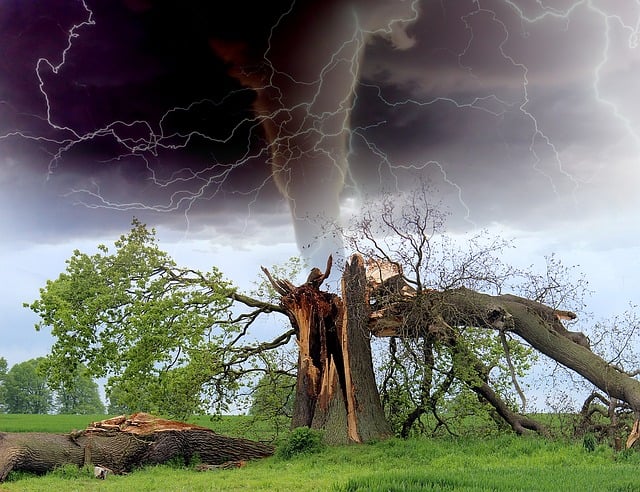
In the event of an emergency, such as a pipe burst or severe weather, boarded windows and doors play a pivotal role in safeguarding your property from potential damage. This simple yet effective measure can significantly reduce the risk of costly repairs due to property damage naturally occurring. San Jose residents often face unique challenges, from sudden pipe bursts that can cause extensive water damage to high winds and storms that threaten structural integrity. When these emergencies arise, immediate action is crucial.
Boarded windows and doors serve as a robust defense mechanism against these threats. Local 24/7 emergency plumbers, roofing companies, and property restoration experts in the Capital Region emphasize the importance of swift response. For instance, a pipe burst during off-hours can lead to significant water damage before help arrives; boarding up entry points acts as a first line of defense, minimizing water intrusion and reducing the scope of subsequent repairs. Similarly, well-boarded windows protect against flying debris during storms, preventing broken glass from causing additional harm or property damage naturally accrued during severe weather events.
HOA members should also be aware of their rights and responsibilities regarding boarding. Property Restoration of the Capital Region, a trusted name in emergency services, advises that effective communication between residents, HOA boards, and service providers is key. Prompt notification allows for efficient coordination, ensuring that boarded windows and doors are secure and well-maintained until repairs can be made. Regular inspection of these barriers is essential to guarantee their integrity; siding damage from weather or other incidents should be promptly addressed by local roofing companies to prevent further complications. By adopting proactive measures like boarding, San Jose property owners not only safeguard their investments but also demonstrate a commitment to the community's overall well-being.
Post-Disaster Restoration: Repairing and Securing Your Property
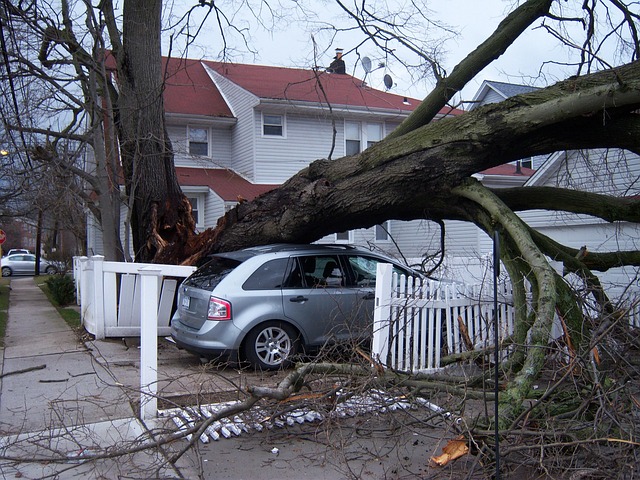
After a disaster strikes, the road to recovery begins with proper property damage assessment and restoration. In San Jose, as in many areas prone to natural calamities, homeowners face the daunting task of repairing and securing their properties. This process involves more than just fixing structural damage; it entails meticulous planning, professional expertise, and understanding local regulations, especially regarding property taxes and insurance claims.
One of the initial steps is to consult with local independent insurance adjusters who can provide a detailed evaluation of the property damage. These professionals are crucial in navigating the claims process, ensuring homeowners receive fair compensation for their losses. However, it's important to note that dealing with insurance companies can be complex, and some may push for quick settlements that could lead to inadequate repairs or long-term structural issues. Homeowners should thoroughly review all offers and, if necessary, seek a second opinion from another adjuster.
Moreover, preventing foreclosure becomes a pressing concern for many residents post-disaster. In situations like unfair HOA regulations in Raleigh, homeowners might face additional challenges, such as unexpected assessment increases or restrictions on reconstruction efforts. To mitigate these issues, it's essential to stay informed about local laws and engage with community resources that offer support during property restoration. For instance, Property Restoration of the Capital Region offers expert advice and assistance tailored to the unique needs of San Jose residents, helping them navigate both insurance claims and potential tax implications related to disaster recovery.
During the restoration process, prioritizing security is paramount. Unsecured properties are vulnerable to further damage or theft while owners focus on repairs. Implementing temporary security measures like boarded-up windows or reinforced doors can protect against weather or looters until permanent fixes are in place. Additionally, homeowners should document every step of the restoration process, from initial assessments to final inspections, as this comprehensive record aids in insurance claims and future property value evaluations, ensuring a fair outcome throughout the entire recovery journey.
In addressing emergency property boarding and security in San Jose, this article has underscored the multifaceted nature of protecting homes and businesses from potential hazards and theft. Key insights include the critical role of understanding emergency boarding as a damage prevention strategy, implementing robust security measures for unoccupied properties, and recognizing the significance of boarded windows and doors in safeguarding spaces. Furthermore, the importance of post-disaster restoration processes cannot be overstated, as these steps are vital to repairing and securing properties, mitigating property damage naturally, and ensuring resilience against future incidents. Readers now possess a comprehensive toolkit of practical next steps, empowering them to safeguard their assets effectively.