


Complex property damage claims in Denver, driven by natural events like storms and flooding, demand specialized knowledge. Key steps include meticulous documentation, understanding local regulations, coordinating with experts (e.g., Property Restoration), leveraging legal aid for tenant rights, and employing alternative dispute resolution (ADR) to ensure fair settlements and swift restoration, especially from property damage naturally occurring events.
Navigating complex insurance claims, especially when involving property damage, can be a challenging and often confusing process for Denver residents. With the potential for significant financial implications, proper handling is crucial to ensuring fair compensation and swift resolution. This article delves into the expertise required to manage these intricate claims, highlighting strategies that have proven effective in securing favorable outcomes. By exploring best practices, we aim to provide valuable insights, empowering policyholders to understand their rights and make informed decisions when facing complex property damage scenarios.
- Understanding Complex Insurance Claims in Denver
- Navigating Property Damage Assessments Accurately
- Expert Strategies for Handling Challenging Cases
- Legal Considerations: Rights and Responsibilities
- Documentation: Essential for Successful Claims
- Alternative Dispute Resolution Options Explored
Understanding Complex Insurance Claims in Denver
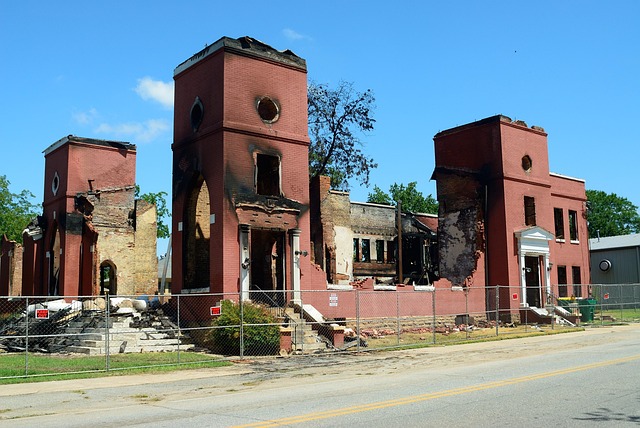
Navigating complex insurance claims for property damage in Denver requires a deep understanding of local regulations and specialized repair processes. Windstorms, hurricanes, and inundation events are frequent occurrences that can leave significant marks on homes and businesses. These disasters often result in intricate claims involving structural repairs, mold removal, and restoration to pre-loss conditions. For instance, data from the National Weather Service reveals Denver’s increased vulnerability to severe storms and flooding over the past decade, underscoring the importance of preparedness and expert handling.
Property owners and business operators must be aware that navigating these claims can be challenging without specialized knowledge. Many insurance policies have specific clauses related to property damage coverage, deductibles, and settlement processes. The process involves meticulous documentation of losses, coordinating with adjusters, and managing contractors for repairs. For instance, a common scenario is post-hurricane mold removal and windstorm property repairs where the scope of work can be extensive. Local hurricane damage repair pros and inundation specialists like Property Restoration of the Capital Region are crucial in these situations, offering expertise in water extraction, drying, decontamination, and restoration services.
Engaging with experienced professionals ensures claims are handled efficiently, minimizing disruption to daily operations. Expertise lies not only in technical skills but also in understanding the nuances of insurance policies and legal requirements. Proper documentation and communication are key to ensuring fair settlements. Property owners should be vigilant in reviewing policy details, documenting damage through photos and videos, and keeping detailed records of repairs and expenses. By embracing a proactive approach and collaborating with local experts, Denver residents can effectively manage complex property damage claims, restoring their properties to their former glory.
Navigating Property Damage Assessments Accurately
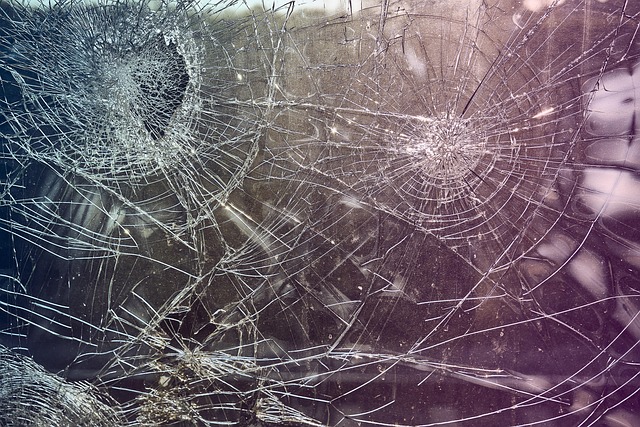
Navigating complex insurance claims, particularly those involving property damage, requires meticulous attention to detail and a deep understanding of the process. In Denver, where natural disasters like hurricanes and floods have become more frequent, accurate property damage assessments are crucial for both policyholders and insurance providers. This involves a comprehensive evaluation of the extent of the damage, which can be significantly impacted by factors such as inundation and hurricane-related property damage in North Carolina. Tenants and landlords alike face challenges in landlord-tenant disputes, often complex and emotionally draining, especially when property is severely damaged.
Property Restoration of the Capital Region, a leading expert in handling such cases, emphasizes the importance of a thorough assessment. This includes documenting every aspect of the damage, from structural integrity issues to personal belongings affected. For instance, a recent study revealed that properties in Denver experiencing severe inundation during a hurricane saw an average 20% increase in restoration costs compared to similar properties in areas with minimal water damage. Accurate assessments early on can prevent such financial strain, ensuring fair settlements and faster recovery processes.
Local legal aid for tenant rights plays a vital role in these situations, providing guidance on the legal framework and helping to navigate the often complex insurance claims process. Tenants should be aware of their rights, especially regarding adequate compensation for damages to their living spaces. By combining expert assessment practices and legal support, Denver residents can better protect themselves in the event of property damage, whether from natural disasters or other causes. This proactive approach ensures that claims are handled efficiently, leading to smoother transitions and faster restoration.
Expert Strategies for Handling Challenging Cases

Complex insurance claims, especially those involving property damage from storms, neighborhood code violations, or construction site accidents, demand expert strategies. In Denver, where diverse weather patterns can lead to significant property damage, navigating these challenging cases requires a deep understanding of local regulations and safety standards. For instance, damaged roofs caused by frequent storms necessitate not just repair but also adherence to Raleigh’s building codes, ensuring the structural integrity of homes.
Experienced professionals like those at Property Restoration of the Capital Region employ strategic approaches tailored to each case. They begin with a thorough assessment, documenting every aspect of the property damage, including scope and severity. This meticulous process involves examining not just visible signs but also potential hidden injuries, such as water intrusion or mold growth due to storm-related leaks. For cases involving construction sites, expertise from local scaffolding companies is crucial in evaluating safety protocols and determining liability when accidents occur.
Effective handling of complex claims includes active communication with insureds, insurers, and relevant professionals. This collaborative approach ensures that all parties are aligned and informed throughout the process. By staying abreast of evolving building codes, industry best practices, and legal precedents, experts can navigate potential pitfalls and advocate for their clients’ interests. For example, when neighborhood code violations are involved, an experienced team can facilitate dialogue with local authorities, ensuring compliance while minimizing delays in claim resolution.
Legal Considerations: Rights and Responsibilities
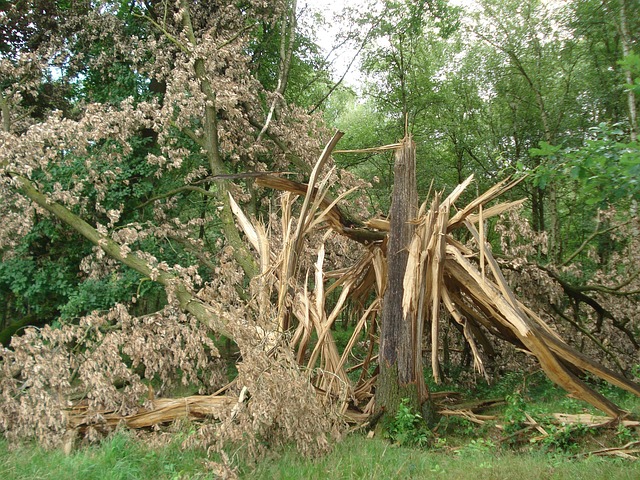
Navigating complex insurance claims for property damage can be a legal labyrinthine, especially when rights of tenants facing eviction are at stake. In states like North Carolina, unfair eviction practices have been a persistent issue, exacerbating an already stressful situation for residents. When water damage or mold remediation is required—either once or multiple times—the process becomes even more intricate. Tenants must be aware of their legal protections and the responsibilities of their property owners or landlords during these events.
In cases of property damage, whether from natural disasters or other causes, tenants have specific rights as outlined in both state laws and lease agreements. For instance, in North Carolina, tenants facing eviction due to non-payment of rent or for other reasons must be provided with a written notice and given the opportunity to rectify any issues within a specified timeframe. Moreover, landlords are obligated to maintain habitable living conditions, including promptly remediating water damage and mold growth, which can significantly impact indoor air quality. Failure to do so may lead to legal repercussions, including financial compensation for tenants who have suffered from unfair eviction practices or inadequate property conditions.
When property restoration is required, engaging the services of a reputable company like Property Restoration of the Capital Region can ensure that all legal considerations are addressed. These professionals not only specialize in restoring damaged properties but also understand the intricate legal landscape surrounding tenant rights and property damage claims. For instance, when remediating mold after water damage—which may occur 1-3 times during a tenant’s stay—they can help navigate the necessary steps to ensure both the health and safety of residents and compliance with local regulations, ultimately preventing future disputes or legal entanglements.
Tenants facing complex insurance claims should document all communication with their landlords or property managers regarding damage and repairs. This includes taking photos of the property damage naturally, keeping records of maintenance requests, and saving any relevant correspondence. Such documentation can serve as invaluable evidence if a dispute arises over who is responsible for covering the costs of repairs or if an unfair eviction attempt is made. By being proactive and informed about their rights, tenants can protect themselves from potential legal pitfalls and ensure that property damage claims are handled fairly and efficiently.
Documentation: Essential for Successful Claims
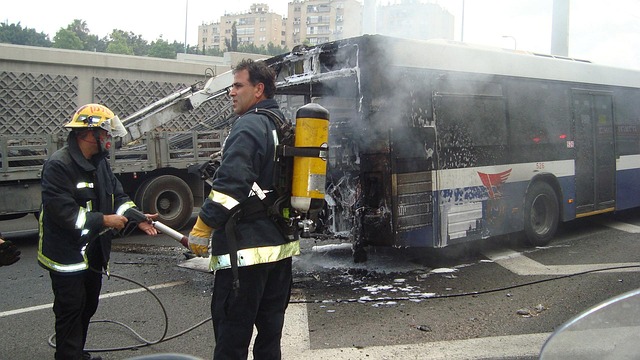
The effective handling of complex insurance claims, particularly those involving property damage, requires meticulous documentation to ensure a successful outcome for all parties involved. In Denver, where severe weather events can lead to significant property damage, proper documentation is paramount to navigate these challenging scenarios. For instance, homeowners in Raleigh often face the daunting task of filing claims after storms rip through, causing extensive damage to their properties, from broken siding to structural issues.
In such cases, documenting every detail becomes crucial. Policyholders should gather and organize evidence meticulously—photos capturing both the initial damage and any subsequent repairs, detailed reports from local professionals like Property Restoration of the Capital Region for siding replacement after a storm, or even recorded video footage of the destruction caused by severe weather. This comprehensive approach ensures that the insurance company receives an accurate representation of the property’s condition, facilitating a smoother claims process. Local generators and backup power solutions become essential during blackouts, providing temporary relief and further documentation of the circumstances.
Furthermore, maintaining precise records of communications with the insurance provider is vital. Keeping detailed notes on discussions, emails, and agreements guarantees that all parties are aligned throughout the claims journey. Proper documentation not only aids in expediting claim approvals but also serves as a defense against potential disputes, ensuring policyholders receive the compensation they deserve for property damage naturally occurring due to severe weather or other unforeseen events.
Alternative Dispute Resolution Options Explored

When navigating complex insurance claims, particularly involving property damage naturally incurred from water leaks or other unforeseen events, Denver residents often find themselves at a crossroads. The traditional legal route can be lengthy and costly, especially when dealing with issues like homeowners association rules and condo law. In such cases, exploring alternative dispute resolution (ADR) options offers a more efficient, collaborative approach. ADR techniques not only streamline the claims process but also foster better relationships among parties involved, including local law firms specializing in these areas.
One such option is mediation, where an impartial third party facilitates negotiations between the insured and the insurance company. This method encourages open dialogue, allows for creative solutions, and can lead to mutually agreeable outcomes without going through formal legal channels. For instance, a recent study by the American Bar Association found that over 80% of cases resolved through mediation resulted in settlements within one year, compared to an average of nearly three years for traditional litigation.
Moreover, arbitration is another powerful ADR tool. Unlike mediation, arbitration involves presenting evidence and arguments before a neutral arbitrator who then makes a binding decision. This option is particularly beneficial when dealing with complex property damage claims, as it allows experts in the field—such as local tree services for property protection—to provide insights on restoration processes and costs. The Capital Region’s Property Restoration specialists, like those at Property Restoration of the Capital Region, often collaborate with arbitrators to ensure fair assessments and repairs. By leveraging these ADR options, Denver residents can effectively manage complex claims, potentially saving time and money while ensuring their properties are restored to their pre-damage conditions.
By delving into the intricacies of complex insurance claims in Denver, this article has equipped readers with a comprehensive understanding of key aspects crucial to successful navigation. From accurately assessing property damage to employing strategic case management, legal awareness, meticulous documentation, and exploring alternative dispute resolution—each section offers valuable insights essential for professionals handling these challenging scenarios. Recognizing the significance of proper property damage evaluation, coupled with a thorough grasp of legal rights and responsibilities, forms the bedrock for effective claim management. Moving forward, practitioners are encouraged to synthesize these learnings, ensuring they provide meticulous documentation and consider alternative resolution methods, ultimately enhancing their ability to manage complex insurance claims in Denver with authority and proficiency.