



Water damage restoration in New Jersey requires immediate, professional handling to minimize property damage naturally, prevent mold growth, and adhere to local regulations. Key steps include assessment, containment, extraction, dehumidity, and repair. Engage licensed professionals for quick response, water removal, and expert advice on insurance claims and code compliance. Swift action within 24-48 hours is crucial to protect properties from severe structural damage and financial losses during extreme weather events.
Water damage restoration is a critical service in New Jersey, where frequent storms and heavy rainfall can lead to significant property damage naturally. Prompt action is essential to mitigate the impact of water intrusion, preventing extensive structural and personal belongings losses. This article delves into the intricacies of effective water damage restoration processes, offering valuable insights for both homeowners and professionals alike. We’ll explore best practices, advanced techniques, and the latest industry standards to ensure your property is restored to its pre-damaged condition swiftly and thoroughly.
- Understanding Water Damage Restoration Processes in NJ
- Immediate Steps After Flooding: Protecting Your Property
- The Science Behind Drying and Mold Prevention Techniques
- Restoring Structural Integrity: Repairs and Reinforcements
- Efficient Insurance Claims Management for Prompt Recovery
Understanding Water Damage Restoration Processes in NJ
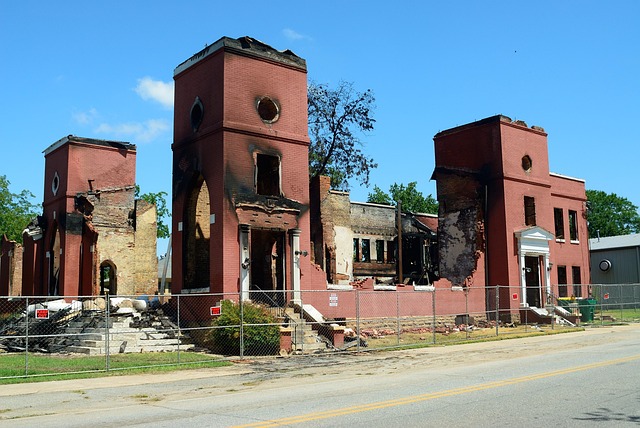
Water damage restoration is a critical process that requires prompt and professional handling to mitigate property damage naturally and ensure a swift return to normalcy for homeowners in New Jersey. In the event of water intrusion, whether from heavy rainfall, pipe bursts, or appliance malfunctions, understanding the steps involved in water damage restoration is paramount. This process encompasses several key stages: assessment, containment, extraction, dehumidity, and repair. Each stage demands specialized equipment and expertise to prevent further complications like mold growth and structural instability.
In New Jersey, where climate variability can lead to sudden flooding and extreme weather events, knowing the local regulations is essential for restoration efforts. The Raleigh neighborhood code violations related to water damage highlight the importance of adhering to building codes and safety standards during the restoration process. Property owners should engage with licensed professionals like local 24/7 emergency plumbers who are equipped to handle pipe bursts and other water-related emergencies. These experts can provide immediate assistance, extract excess water, and implement measures to stop further damage, ensuring compliance with local laws.
For homeowners dealing with property damage due to water, seeking expert advice from a local law firm offering free consultations is advisable. They can guide through the complexities of home insurance claims, ensuring policyholders receive adequate compensation for their losses. In many cases, policies cover emergency services and restoration costs, but navigating these processes requires professional insight. For instance, in 2021, New Jersey experienced significant flooding that led to extensive property damage; many affected homeowners found support through local law firms specializing in insurance claims, helping them recover funds for necessary repairs, including water damage restoration by reputable companies like Property Restoration of the Capital Region.
Effective water damage restoration involves a multi-step approach tailored to each unique situation. By understanding these processes and engaging qualified professionals, New Jersey residents can ensure their properties are restored to pre-damage conditions while adhering to local regulations. This proactive approach not only safeguards homes but also minimizes potential health risks associated with prolonged water exposure.
Immediate Steps After Flooding: Protecting Your Property
After a flood hits New Jersey, the immediate focus should be on mitigating property damage naturally and securing your home. The first 24 to 48 hours are critical for preventing further losses and preserving your investment. Start by turning off the main electrical supply to avoid potential electrocution hazards. If water has infiltrated your home, it’s essential to act swiftly. Remove wet materials like carpets and furniture from flooded areas to curb mold growth. Dry out your property as quickly as possible using fans and dehumidifiers; this step is crucial in minimizing structural damage and the cost of restoration.
Documenting the damage is a critical next step. Take detailed photos and videos of affected areas, including the water source, extent of flooding, and any visible property damage. This evidence will be invaluable when dealing with insurance companies or exploring legal options to stop foreclosure if the flood renders your home uninhabitable. Remember that local real estate attorneys can provide expert tax advice tailored to such situations, easing the financial burden. For homeowners in condo associations, addressing disputes with these bodies becomes more manageable with proper documentation of property damage.
Engaging a reputable local independent insurance adjuster is a strategic move. They can assess your claim accurately and ensure you receive fair compensation for property taxes that may have been deferred due to the disaster. Moreover, consider reaching out to Property Restoration of the Capital Region if you’re facing extensive restoration needs. Their expertise in handling water damage restoration can be invaluable, offering peace of mind during an otherwise stressful time. Remember, swift action is key; the faster you address flooding, the better you protect your property and financial interests.
The Science Behind Drying and Mold Prevention Techniques

The science behind water damage restoration involves a meticulous process aimed at minimizing property damage naturally and preventing mold growth, especially after events like Raleigh NC home fires, hurricane-related disasters in North Carolina, or local siding repair and installation due to tree damage. Prompt action is crucial; within 24-48 hours of water intrusion, moisture levels must be controlled to mitigate the risk of extensive mold growth, which can lead to serious health issues and further property damage.
The initial step is extraction—removing standing water as quickly as possible using powerful pumps and vacuums. This process not only reduces visible water damage but also prevents the activation of mold spores that thrive in damp environments. Following extraction, desiccant materials like silica gel or dehumidifiers are employed to lower humidity levels, accelerating the drying process. These techniques help restore properties affected by Raleigh NC home fires or hurricane-related property damage in North Carolina, ensuring a healthier and safer environment for residents.
Once the area is dry, specialized equipment addresses remaining moisture sources, such as walls, floorboards, and insulation. This stage involves using advanced moisture meters to identify hidden pockets of water that could contribute to mold growth. After all affected materials have been dried, the focus shifts to preventing future issues through anti-microbial treatments and sealers. For instance, Property Restoration of the Capital Region employs cutting-edge technologies to kill existing mold spores and inhibit their regrowth, a critical step in repairing hurricane-related property damage in North Carolina.
Throughout the restoration process, local siding repair and installation experts emphasize the importance of proper ventilation and air movement to expedite drying times. They recommend strategic placement of fans and dehumidifiers, ensuring every corner of the property is addressed. By following these scientific techniques, professionals can effectively restore properties, minimizing the impact of water damage naturally and preventing the costly and hazardous consequences of unchecked mold growth.
Restoring Structural Integrity: Repairs and Reinforcements
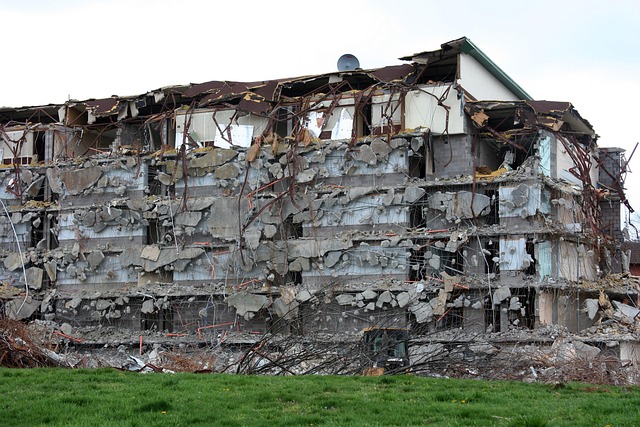
Water damage restoration is a critical process that requires immediate attention to prevent extensive property damage naturally. When water intrusion occurs, whether from heavy rains, burst pipes, or leaks, it’s crucial to act swiftly to protect the structural integrity of your home. In New Jersey, where extreme weather events are common, prompt action can save homes and avoid costly neighborhood code violations in Raleigh.
Restoring structural integrity involves a multi-step process that requires expert knowledge. The first step is assessing the extent of the damage, identifying weak points, and addressing them promptly. This may include repairing water-damaged walls, replacing soggy carpets, or reinforcing foundations affected by prolonged moisture. For instance, a local tree service for property protection can assist in trimming overhanging branches that might cause further damage during storms, preventing potential water leaks 1-3 times per year.
In severe cases, structural repairs may involve more substantial enhancements like installing flood barriers or waterproof membranes. These measures not only protect against future water intrusion but also safeguard the home’s value, ensuring that owners don’t face the risk of preventing foreclosure on my Raleigh home due to preventable property damage. The expert team at Property Restoration of the Capital Region specializes in these crucial repairs, offering tailored solutions for each unique situation. By combining advanced techniques with local knowledge, they help homeowners navigate the restoration process efficiently, minimizing disruption and maximizing the preservation of their properties.
Efficient Insurance Claims Management for Prompt Recovery
Water damage restoration in New Jersey requires swift action, especially when dealing with property damage caused by flooding or water leaks. Efficient insurance claims management plays a crucial role in this process, ensuring homeowners can recover promptly from these unforeseen events. The first step is to document all property damage thoroughly, including photos and descriptions of the affected areas, as this becomes essential for your insurance claim. Many homeowners in NJ learn the hard way that delayed action can lead to prolonged recovery times and increased costs.
Navigating the insurance claims process can be complex, but professional assistance can make a significant difference. Engaging the services of a reputable local tree service for property protection, like those offered by Property Restoration of the Capital Region, can provide additional benefits. They can assess not only water damage but also potential structural issues caused by inundation, which may include tree limbs or debris from storms that often accompany flooding events. This proactive approach ensures comprehensive restoration and protects against further complications.
In the aftermath of a water-related disaster, understanding your insurance policy is vital. Homeowners should be aware of their coverage limits and deductibles, as well as any specific exclusions related to flooding or water damage. While some policies may include automatic provisions for temporary living expenses during repairs, others may require separate claims. Promptly contacting your insurance provider, providing detailed reports of the damage, and keeping records of all communications is essential. This process should be managed efficiently to ensure a swift settlement, enabling homeowners to begin the restoration process without unnecessary delays.
Prompt water damage restoration is a critical process that involves a multifaceted approach to mitigate property damage naturally, ensure a safe living environment, and expedite insurance claims recovery in New Jersey. Understanding the intricate steps from initial flooding response to advanced drying techniques and structural repairs provides homeowners with valuable insights. By implementing these strategies, residents can protect their properties, prevent mold growth, and restore integrity, ultimately leading to a seamless transition back into their homes. This comprehensive guide equips readers with the knowledge to navigate water damage restoration effectively, fostering peace of mind in an often challenging situation.