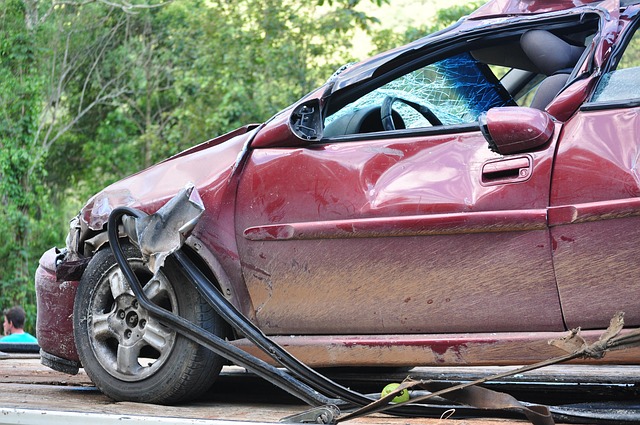







Property damage naturally arises after earthquakes, necessitating a systematic approach for safety and restoration. Key steps include: assessing structural integrity, managing secondary hazards like gas leaks, deploying backup power solutions, prioritizing roof repairs, documenting damage, understanding insurance policies, and consulting expert firms for extensive property damage. Regular inspections, adhering to local building codes, and learning from past events enhance resilience for future seismic activities.
San Francisco, known for its seismic activity, poses unique challenges when it comes to earthquake damage restoration. The frequent tremors inevitably lead to significant property damage, disrupting communities and requiring swift, expert intervention. Restoring affected areas not only involves structural repairs but also meticulous handling of diverse debris and potential hazards. This article delves into the critical role of specialized earthquake damage restoration services in mitigating San Francisco’s post-earthquake landscape, focusing on effective strategies to ensure safe, thorough, and efficient property recovery. Our aim is to equip residents and professionals with valuable insights for navigating these complex scenarios.
- Assessing Earthquake Damage: A Comprehensive Guide
- Restoring San Francisco Properties: Step-by-Step Process
- Expert Tips for Safe and Effective Restoration Post-Quake
Assessing Earthquake Damage: A Comprehensive Guide
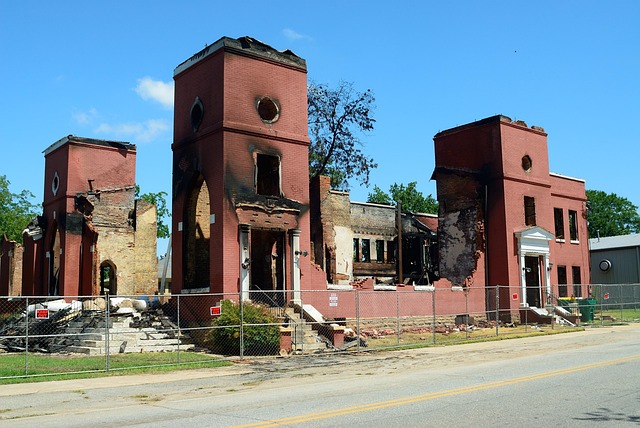
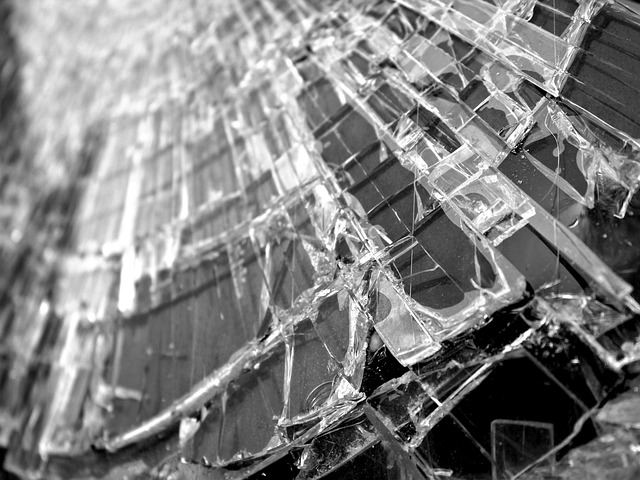
After a major earthquake, assessing property damage is crucial for safe reentry and ensuring structural integrity. The initial chaos of such events can make it difficult to know where to begin. This guide offers an in-depth look at navigating the process, focusing on key aspects like shattering glass during storms in Raleigh (a common secondary hazard), local generators, backup power solutions, and roof repairs—essential considerations for Raleigh NC residents facing earthquake damage.
One of the immediate concerns is the potential for secondary disasters, such as gas leaks or fire, exacerbated by shattered windows and damaged electrical systems. Local generators and backup power solutions can be lifesavers in these situations, providing essential power for emergency lighting, communication devices, and vital appliances until primary utility services are restored. For instance, Property Restoration of the Capital Region has successfully deployed local generators to help homeowners and businesses maintain safety and security during Raleigh’s post-earthquake clean-up efforts.
Roof repairs are another critical component of earthquake damage restoration in Raleigh NC. Frequent tremors can cause structural instability, leading to leaks or even partial roof collapses. Prompt inspection by qualified professionals is essential to prevent further damage from moisture intrusion. Regular maintenance checks before and after storms can help identify vulnerabilities, making it easier to assess and fix issues during the recovery process. According to recent studies, up to 30% of homes in earthquake-prone areas suffer significant roof damage, emphasizing the need for proactive measures.
In terms of property damage assessment, a systematic approach is vital. Start by conducting a visual inspection, noting any visible cracks, leaning structures, or debris. Document evidence with photographs and videos for insurance claims and future reference. Then, address immediate safety concerns, such as securing loose items inside and outside the property to prevent further destruction during aftershocks. Remember that reliable earthquake damage restoration involves not just fixing physical structures but also ensuring a safe, habitable environment for residents.
Restoring San Francisco Properties: Step-by-Step Process
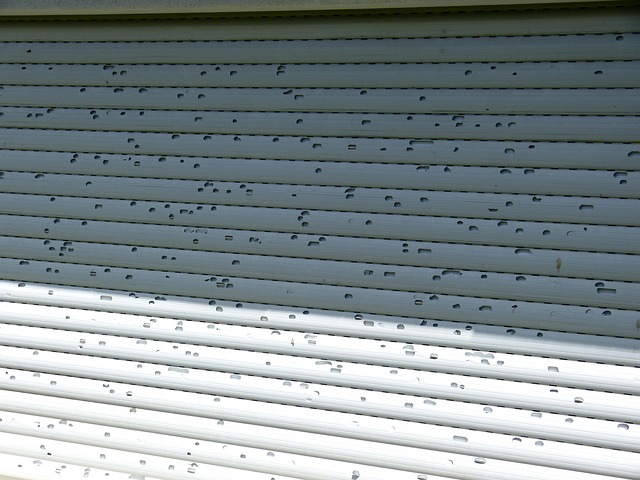
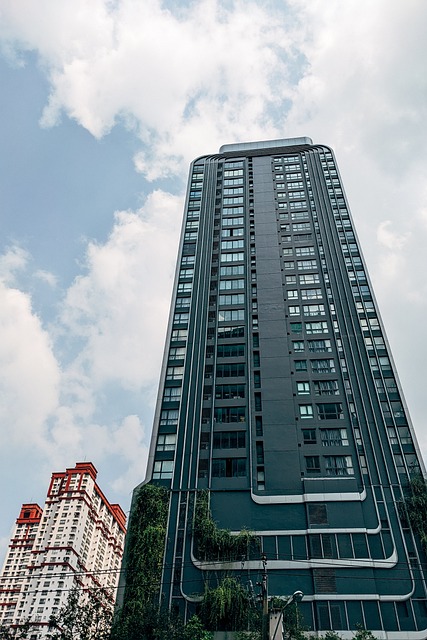
Restoring San Francisco Properties After an earthquake is a meticulous process that demands both technical skill and emotional resilience from property owners and restoration professionals alike. With the city’s storied history of seismic activity, navigating property damage naturally becomes a critical skill for residents. The first step in this journey is recognizing and assessing the extent of the property damage. This involves meticulously inspecting structures, identifying structural integrity issues, and pinpointing areas of concern such as cracks, leaks, or loose debris. For instance, in the aftermath of the 1906 San Francisco earthquake, the city’s thorough restoration involved addressing not just physical buildings but also the psychological impact on residents, showcasing the holistic nature of post-disaster recovery.
Once the assessment is complete, the restoration process begins. This involves several key stages. First, immediate safety measures are implemented to secure the property and prevent further damage. In cases where electrical systems or roofs are compromised, professional services like Raleigh area blackout repair and recovery or Raleigh NC roof repairs become essential. For instance, generator installation for power failures can be crucial during extended outages. The Capital Region, specifically Property Restoration of the Capital Region, has earned a reputation for excellence in these areas, emphasizing swift action and efficient solutions. Following safety measures, the restoration team tackles structural repairs, replaces damaged materials, and restores affected systems to their pre-earthquake condition.
A meticulous approach is paramount throughout the process, ensuring that each repair aligns with local building codes and safety standards. Regular inspections and progress assessments guarantee the work’s quality and effectiveness. Finally, once the property is restored, a post-restoration evaluation ensures the property’s longevity against future events, incorporating lessons learned from past experiences, such as the city’s resilience following the 1989 Loma Prieta earthquake. This comprehensive approach to restoration not only returns San Francisco properties to their former glory but also prepares them for whatever challenges lie ahead.
Expert Tips for Safe and Effective Restoration Post-Quake
After a devastating earthquake, the process of restoring your property can seem daunting. But with expert guidance, you can ensure safe and effective restoration, minimizing the impact of natural disasters on your home. The first step is to assess the damage caused by the quake, which often includes structural issues like cracked walls, damaged foundations, and collapsed ceilings. It’s crucial to call in professionals who can inspect and provide solutions tailored to your property’s needs.
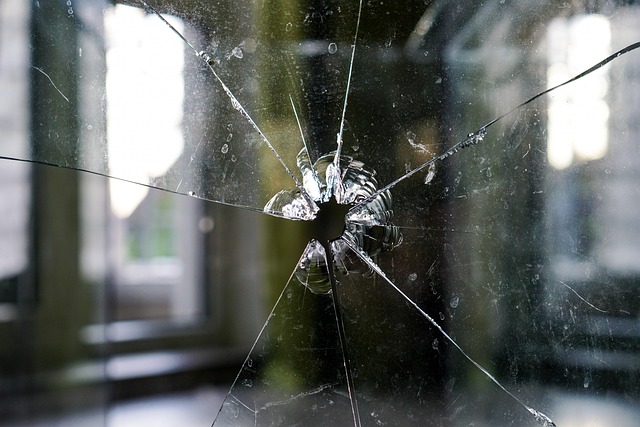
Restoration experts recommend prioritizing safety during the cleanup process. This involves securing any unstable structures and addressing potential hazards like gas leaks or Raleigh plumbing leak repairs. For instance, if windows are broken, consider temporary window replacement solutions to prevent further damage from the elements until permanent repairs can be made. A local law firm offering free consultations on home insurance claims can guide homeowners through the complex process of filing and managing these claims effectively.
The role of property insurance in quake recovery cannot be overstated. Homeowners should review their policies, understanding what is covered under earthquake damage restoration clauses. This awareness ensures that every repair, from structural reinforcement to window replacement after breakage (up to 3 times as a reasonable threshold), aligns with policy terms. For extensive property damage, consulting with a trusted firm like Property Restoration of the Capital Region can provide expert advice on rebuilding and renovation, ensuring your home is restored to its pre-disaster condition or beyond.
After thoroughly exploring Assessing Earthquake Damage, Restoring San Francisco Properties, and Expert Tips for Safe Restoration, it’s clear that effective earthquake damage restoration requires a systematic approach. Key insights include assessing property damage naturally, following step-by-step restoration processes, prioritizing safety, and seeking expert guidance. Readers can now navigate post-quake challenges with confidence, ensuring their properties are restored securely and efficiently. This authoritative article equips them with the knowledge to protect and preserve their investments in San Francisco’s resilient landscape.