






Evaluating and restoring Dallas properties after floods requires meticulous inspections to assess structural damage, water intrusion, and mold growth. Key steps include siding replacement, window repair, removing scaffolds, and assessing water penetration depth. Prompt action within 48 hours reduces risks. Homeowners should partner with reputable professionals for tailored advice and comprehensive restoration plans. Preventing future property damage naturally involves regular maintenance, gutter cleaning, repairing cracks, using water sensors, and installing alarm systems. Investing in these proactive measures minimizes flood impact and protects valuable items.
In the face of unpredictable weather patterns, the potential for flood damage remains a persistent threat across Dallas and beyond. As we’ve seen time and again, severe storms can swiftly turn into devastating deluges, leaving behind substantial property damage naturally. Restoring affected areas to their pre-disaster condition demands meticulous attention and specialized knowledge. This article provides an authoritative guide to trustworthy flood damage restoration in Dallas, offering valuable insights for both property owners and professionals aiming to mitigate the impact of these inevitable events.
- Evaluating Flood Damage: Property Assessment Strategies
- Restoring Your Dallas Property: Step-by-Step Guide
- Preventing Future Floods: Water Damage Mitigation Tips
Evaluating Flood Damage: Property Assessment Strategies
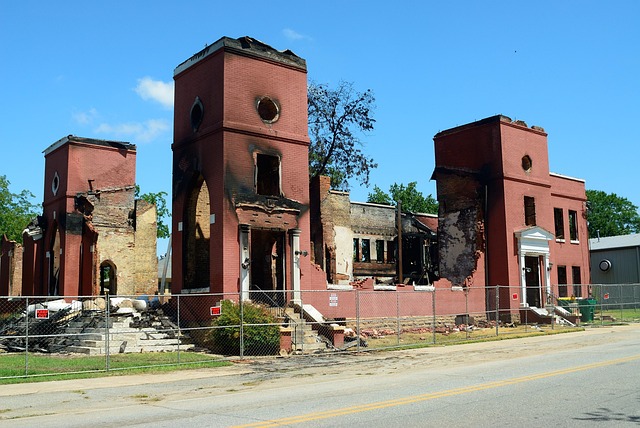
Evaluating flood damage is a critical step in the restoration process, as it determines the extent of property damage and guides the subsequent repair and reconstruction efforts. In Dallas, where frequent storms can lead to devastating floods, understanding how to assess properties after such events is paramount for both homeowners and professionals alike. This involves a meticulous inspection that goes beyond initial appearances, encompassing structural integrity, water intrusion points, and potential mold growth.
A comprehensive property assessment should include a detailed examination of the exterior, focusing on siding replacement after storm events, as damaged or loose siding can indicate more profound issues. Local window installation and repair services play a vital role here, ensuring that any water ingress through broken windows is addressed promptly to prevent further interior damage. Additionally, safe removal of scaffolds used during construction or renovation projects—common in Dallas’s bustling landscape—is crucial to avoid hazards and ensure structural safety.
Interior inspections should delve into the depth of water penetration, checking for water lines and stains on walls, ceilings, and floors. This is where expert knowledge comes into play; professionals will assess the level of damage by examining the extent of saturation, which can indicate whether renovation or complete reconstruction is required. In severe cases, mold growth could be a concern, necessitating specialized services to safely remove and prevent future outbreaks. For instance, data from local property restoration companies reveals that prompt action within 48 hours of flooding significantly reduces the risk of mold and structural damage.
To ensure the best outcomes, homeowners should work with reputable professionals like Property Restoration of the Capital Region who understand Dallas’s unique challenges. These experts will provide actionable advice tailored to each property, from siding replacement and window repair to comprehensive restoration plans. By combining local expertise with a deep understanding of property damage, these professionals can help transform a devastated space into a safe, functional home or commercial property.
Restoring Your Dallas Property: Step-by-Step Guide

Restoring your Dallas property after a flood is a meticulous process requiring expert knowledge to ensure thorough cleaning and safe recovery from potential mold growth and structural damage. This step-by-step guide highlights essential actions for effective flood damage restoration in Dallas, focusing on both immediate response and long-term solutions.
Step 1: Assess the Damage Begin by evaluating property damage from floodwaters, paying close attention to areas with significant water intrusion. Document evidence of water levels, duration of contact, and visible signs of destruction. This initial assessment guides subsequent actions, helping local hurricane damage repair pros prioritize tasks efficiently. For instance, immediate pipe burst repairs near me or in Raleigh, NC, are crucial to mitigate further structural and mold-related issues.
Step 2: Evacuate and Dry the Property Ensure safety by evacuating residents from the property until it’s deemed structurally stable. The priority then shifts to drying out affected areas as quickly as possible to prevent mold growth. Utilize high-efficiency dehumidifiers, fans, and other equipment recommended by Property Restoration of the Capital Region experts. Regular monitoring ensures optimal drying conditions, with temperature and humidity levels ideal for quick restoration.
Step 3: Remove Contaminated Materials Discard or clean thoroughly any items that have been significantly damaged by floodwaters, especially if they’ve come into contact with contaminated water. This includes carpeting, upholstery, furniture, and appliances. Local professionals can provide guidance on safe disposal or restoration of these items, addressing concerns about mold growth and property damage from flood waters.
Step 4: Contain and Remove Mold Proactive mold removal is essential to prevent health issues and further property damage. Identify sources of moisture and address them promptly. Professional mold remediation services employ specialized equipment and products to contain and eliminate mold, ensuring a safe environment for occupants upon reentry. Regular inspections during the restoration process help ensure complete mold removal.
Preventing Future Floods: Water Damage Mitigation Tips

Preventing future floods is a critical aspect of mitigating water damage and safeguarding your Dallas property from potential disasters. After a flood, it’s important to assess the extent of the damage and take proactive measures to protect against recurring issues. One of the primary causes of property damage naturally in the region is heavy rainfall and rapid snowmelt, which can overload drainage systems and lead to overwhelming water intrusion. To minimize risks, homeowners should inspect their properties for vulnerabilities like outdated siding, inadequate gutters, or poor basement waterproofing—all factors that contribute to wind-blown debris siding damage in Raleigh, as seen during recent severe weather events.
Regular maintenance plays a pivotal role in flood prevention. Ensuring your property’s drainage systems are clear and functioning optimally can significantly reduce water buildup. This includes cleaning out gutters, repairing cracked sidewalks or driveways, and ensuring downspouts direct water away from foundations. Legal help for construction site mishaps related to flooding is often required when inadequate preparation leads to compound damage. For instance, a poorly maintained retention pond or blocked storm drains in the Raleigh area have resulted in extensive blackout repair and recovery efforts due to sudden surges of floodwater.
Implementing robust flood protection measures not only preserves your property but also offers peace of mind. Consider investing in water sensors and alarm systems that detect moisture intrusions early, allowing for swift action. Additionally, Property Restoration of the Capital Region recommends establishing a safe room or elevated storage areas to protect valuable documents and items from potential water damage. By combining proactive maintenance with advanced protection systems, homeowners can minimize the impact of flood events and reduce the likelihood of costly repairs and legal complications associated with construction site mishaps.
By thoroughly evaluating flood damage using precise property assessment strategies, Dallas residents can effectively restore their homes and mitigate future water damage risks. This article has provided a comprehensive guide, from understanding property damage naturally incurred during floods to implementing step-by-step restoration processes. Key takeaways include the importance of quick action, proper drying techniques, and professional assistance for extensive cases. Preventative measures, such as improving drainage systems and installing water barriers, should be seriously considered to safeguard against potential future flood events. With these insights, homeowners are now equipped to navigate post-flood scenarios, ensuring their properties are restored to pre-disaster conditions while minimizing long-term damage.