







Houston residents facing property damage from natural disasters or accidents require professional assessment for fair insurance compensation. Experts like Property Restoration of the Capital Region offer free consultations, inspect structural integrity, and provide detailed reports for repairs. Timely action prevents evictions, ensures code compliance, and mitigates costs. Reputable experts guide through restoration, legal aid, and property tax considerations, restoring homes to pre-damage conditions while protecting financial interests.
Professional property damage assessment is a critical aspect of Houston’s real estate landscape, where accurate evaluations ensure fair transactions and timely repairs. However, the process can be complex, especially with varying degrees of property damage naturally occurring due to the region’s unique environmental factors. This article delves into the intricacies of professional assessments, offering insights into how experts navigate this challenge. We explore proven methods, cutting-edge technologies, and industry best practices that underpin accurate damage assessment, ultimately fostering transparency and trust in Houston’s real estate market.
- Understanding Property Damage Assessment in Houston
- The Process: From Inspection to Report
- Expertise: Choosing Qualified Assessors
- Restoring and Reparating: Next Steps After Assessment
Understanding Property Damage Assessment in Houston
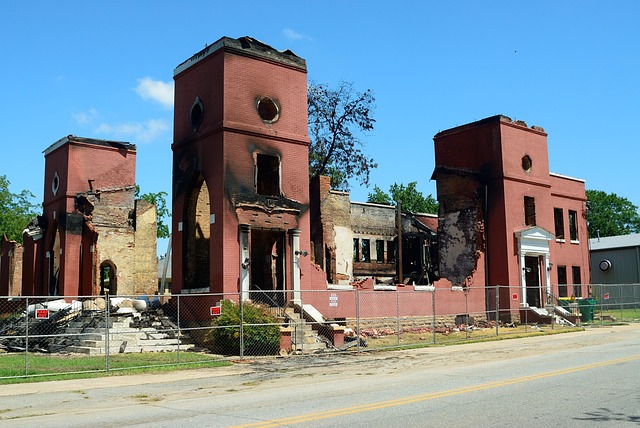
Understanding Property Damage Assessment in Houston is a critical process that ensures fair compensation for victims of damage to their properties. When dealing with natural disasters or unforeseen events, homeowners often face complex insurance claims and need expert guidance. In Houston, where property damage from hurricanes, floods, and other extreme weather events can be significant, knowing the assessment process is invaluable. This involves meticulously documenting the extent of the damage, which includes both structural and non-structural elements, to support a comprehensive claim for reimbursement.
A professional property damage assessment is crucial in navigating insurance companies’ claims procedures. Local law firms offering free consultations can provide initial guidance on rights and expectations. For instance, in cases of unfair eviction practices, understanding property damage assessments becomes critical when determining compensation for belongings lost or damaged during relocation. Similarly, homeowners facing construction site accidents due to inadequate safety measures by scaffolding companies may require detailed assessments to prove the impact of these incidents on their properties’ value.
In Houston, where a thriving construction industry coexists with natural vulnerabilities, local experts like Property Restoration of the Capital Region play a vital role in post-damage scenarios. These professionals not only assess but also restore, ensuring properties return to their pre-loss conditions. Data suggests that prompt and professional assessments can significantly streamline insurance claims processes, leading to faster settlements and reduced financial burdens on homeowners. Therefore, it is advisable for Houston residents to be aware of their rights and engage reputable local resources when dealing with property damage claims, whether from natural disasters or construction-related incidents.
The Process: From Inspection to Report

Professional property damage assessment is a critical process for Houston homeowners facing the aftermath of disasters or structural issues. When your property sustains damage—whether from fierce winds that wreak havoc with building scaffolding or other unforeseen events—the journey to restoration begins with a meticulous inspection. Experts in this field, like those at Property Restoration of the Capital Region, employ advanced techniques and tools to meticulously assess every aspect of the damage. This includes not just visible signs but also hidden impacts that could compromise structural integrity.
The initial inspection yields a comprehensive understanding of the property’s condition, allowing specialists to tailor their approach. In Houston, where weather-related incidents are prevalent, assessing wind-related building scaffolding damage is paramount. Experts consider factors like the speed and force of winds, the type of scaffolding used, and its age to determine the extent of the harm. This detailed evaluation guides the development of a strategic plan for repairs, ensuring both safety and cost-effectiveness.
Post-inspection, a detailed report is drafted, outlining observed damage and recommended actions. This document serves as a roadmap for restoration efforts, often involving collaboration with local non-profit agencies that aid homeowners in preventing foreclosure, especially in challenging times. For those facing eviction due to property damage in Raleigh, these reports are crucial in supporting their case and exploring options like financial assistance or community resources. By providing clear documentation of the damage, homeowners can navigate the process with confidence, ultimately securing a safe and stable living environment for themselves and their families.
Expertise: Choosing Qualified Assessors
When navigating the complex process of filing an insurance claim after property damage—whether from long-term power outages affecting Raleigh homes or other unforeseen events—it’s crucial to choose qualified assessors. Expertise in property damage assessment is essential to ensure accurate documentation, timely repairs, and fair compensation. This is particularly important for tenants facing eviction due to non-payment, as their rights and the condition of their residence must be carefully considered.
In Houston, where real estate is dynamic and diverse, selecting a professional with a proven track record is vital. Assessors from reputable companies like Property Restoration of the Capital Region possess the knowledge and skills to accurately evaluate property damage, including structural integrity, water intrusion, mold growth, and other long-term effects. They employ advanced tools and methods to document damage, which not only aids in insurance claims but also facilitates effective restoration processes.
For instance, a study by the Insurance Information Institute found that prompt assessment and repair can significantly reduce secondary damages and costs associated with delayed intervention. This is particularly relevant for tenants, who may face evictions if their landlords cannot secure necessary repairs due to inadequate or incorrect assessments. By choosing experts like those from Property Restoration of the Capital Region, both homeowners and tenants can be assured that their interests are protected throughout the property damage process.
Restoring and Reparating: Next Steps After Assessment
After a thorough property damage assessment, the next crucial phase involves restoring and repairing your Houston residence or commercial space. This step is essential to not only revive the structure but also to mitigate further losses and ensure compliance with local building codes. For homeowners and business owners alike, understanding the process and available resources is paramount. In the event of property damage due to storms, such as windstorms, or other unforeseen circumstances, taking prompt action can significantly impact the overall restoration outcome.
The initial assessment provides a roadmap for repairs, identifying areas that require attention, from structural integrity checks to aesthetic enhancements. Local independent insurance adjusters play a vital role in this phase, working with policyholders to navigate their coverage and ensure fair compensation for necessary repairs. This is particularly important in landlord-tenant disputes where both parties must agree on the scope of work and associated costs. Once the assessment is complete, contractors or specialized restoration teams can begin the healing process. Windstorm property repairs, for instance, require expertise in addressing specific damage types, ensuring structures meet safety standards, and preventing future harm.
As you embark on this journey, consider enlisting the support of professionals like Property Restoration of the Capital Region who specialize in these situations. They offer valuable insights into local legal aid for tenant rights and can guide property owners through the complex process of insurance claims and repairs. Additionally, understanding property taxes and their potential impact on restoration costs is crucial. By staying informed and engaging with reputable experts, you can ensure your property is restored to its pre-damage condition, or even improved, while also safeguarding your financial interests.
In conclusion, this article has provided an authoritative guide to navigating property damage assessment in Houston, offering valuable insights into understanding, assessing, and restoring property damage. Key takeaways include the importance of a thorough inspection process, the role of qualified assessors in ensuring accuracy, and the critical steps for effective post-assessment repairs. By choosing experienced professionals and following a structured approach, homeowners can ensure their property damage is accurately evaluated and promptly remedied, leading to successful restoration. This comprehensive overview empowers readers with the knowledge to make informed decisions regarding their property’s well-being.